
$67.14
Add to Cart
Moon Cactus Yellow Flower Plant Home Rare Plant Live Garden Easy Care Live Plant
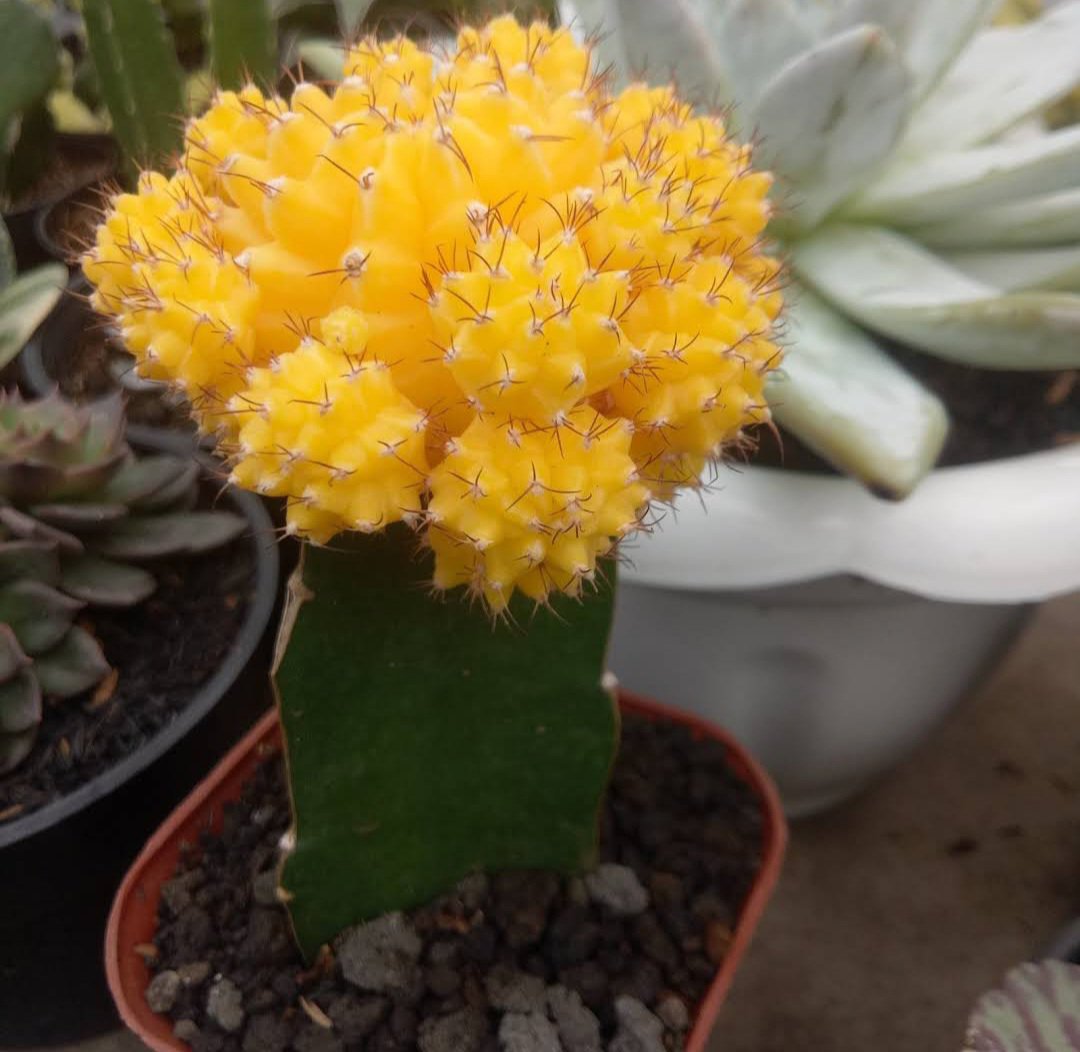
Moon Cactus Yellow Flower Plant Home Rare Plant Live Garden Easy Care Live Plant
Moon cacti, scientifically known as Gymnocalycium mihanovichii, are unique plants that consist of two parts: a colorful graft (usually bright red, pink, or yellow) on top of a green cactus base. Here are some care tips to ensure your moon cactus thrives:
1. **Light**: Moon cacti prefer bright, indirect light. They can tolerate some direct sunlight, especially in the morning or late afternoon, but be cautious of intense midday sun, which can scorch the colorful graft. Insufficient light may cause the plant to grow tall and leggy.
2. **Temperature**: They prefer temperatures between 70-80°F (21-27°C) during the growing season. Avoid sudden temperature drops below 50°F (10°C), as they can damage the plant.
3. **Watering**: Water your moon cactus thoroughly when the top inch of soil feels dry during the growing season (spring and summer). Reduce watering in the winter months, allowing the soil to dry out more between waterings. It's crucial to avoid waterlogging, as this can lead to root rot.
4. **Soil**: Plant your moon cactus in well-draining cactus or succulent soil mix. These mixes are designed to provide good drainage, preventing the roots from sitting in water.
5. **Fertilizer**: Feed your moon cactus with a diluted, balanced fertilizer (e.g., 10-10-10 or 20-20-20) once a month during the growing season. Avoid fertilizing during the winter months when growth slows down.
6. **Potting**: Choose a pot with drainage holes to allow excess water to escape. Moon cacti have shallow root systems, so a shallow pot is generally sufficient.
7. **Pruning and Maintenance**: Trim any dead or decaying parts of the cactus base if necessary. The colorful graft on top does not photosynthesize and relies entirely on the green cactus base for nutrients and water.
8. **Pests**: Monitor for common pests such as mealybugs or spider mites. Treat infestations promptly with insecticidal soap or neem oil, taking care to avoid spraying the colorful graft directly.
9. **Propagation**: Moon cacti are typically propagated by grafting the colorful top onto a new cactus base. Propagation from offsets or seeds is less common due to the grafting process used to create these plants.
By following these care tips, you can ensure that your moon cactus remains healthy and vibrant, showcasing its unique and colorful appearance. Adjust watering and lighting as needed based on your specific indoor environment and the plant's response.
In the photo is not factual item...
The size live plant item depends on stock...
Thank you
Moon cacti, scientifically known as Gymnocalycium mihanovichii, are unique plants that consist of two parts: a colorful graft (usually bright red, pink, or yellow) on top of a green cactus base. Here are some care tips to ensure your moon cactus thrives:
1. **Light**: Moon cacti prefer bright, indirect light. They can tolerate some direct sunlight, especially in the morning or late afternoon, but be cautious of intense midday sun, which can scorch the colorful graft. Insufficient light may cause the plant to grow tall and leggy.
2. **Temperature**: They prefer temperatures between 70-80°F (21-27°C) during the growing season. Avoid sudden temperature drops below 50°F (10°C), as they can damage the plant.
3. **Watering**: Water your moon cactus thoroughly when the top inch of soil feels dry during the growing season (spring and summer). Reduce watering in the winter months, allowing the soil to dry out more between waterings. It's crucial to avoid waterlogging, as this can lead to root rot.
4. **Soil**: Plant your moon cactus in well-draining cactus or succulent soil mix. These mixes are designed to provide good drainage, preventing the roots from sitting in water.
5. **Fertilizer**: Feed your moon cactus with a diluted, balanced fertilizer (e.g., 10-10-10 or 20-20-20) once a month during the growing season. Avoid fertilizing during the winter months when growth slows down.
6. **Potting**: Choose a pot with drainage holes to allow excess water to escape. Moon cacti have shallow root systems, so a shallow pot is generally sufficient.
7. **Pruning and Maintenance**: Trim any dead or decaying parts of the cactus base if necessary. The colorful graft on top does not photosynthesize and relies entirely on the green cactus base for nutrients and water.
8. **Pests**: Monitor for common pests such as mealybugs or spider mites. Treat infestations promptly with insecticidal soap or neem oil, taking care to avoid spraying the colorful graft directly.
9. **Propagation**: Moon cacti are typically propagated by grafting the colorful top onto a new cactus base. Propagation from offsets or seeds is less common due to the grafting process used to create these plants.
By following these care tips, you can ensure that your moon cactus remains healthy and vibrant, showcasing its unique and colorful appearance. Adjust watering and lighting as needed based on your specific indoor environment and the plant's response.
In the photo is not factual item...
The size live plant item depends on stock...
Thank you


 ID, jawa timur