
$153.88
Add to Cart
Hawaiian Noni Tree Plant Home Rare Plant Live Garden Easy Care Live Plant
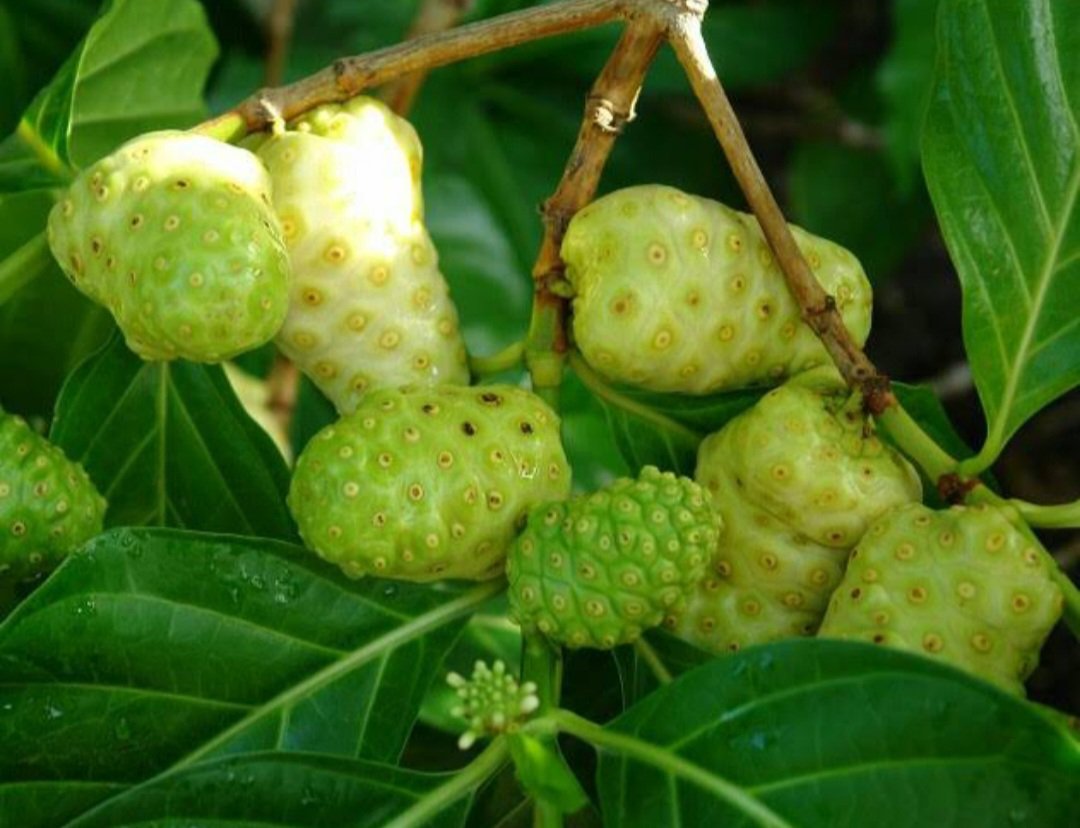
Hawaiian Noni Tree Plant Home Rare Plant Live Garden Easy Care Live Plant
Caring for a Noni tree (Morinda citrifolia) requires understanding its tropical nature and specific growth requirements. Here are the key aspects of Noni tree care:
1. **Climate and Location**: Noni trees thrive in tropical to subtropical climates. They prefer full sun but can tolerate partial shade. If grown in cooler climates, they should be protected from frost and cold drafts.
2. **Soil**: Use well-draining soil rich in organic matter. Noni trees can tolerate various soil types, including sandy or volcanic soils, but they perform best in soil that retains moisture without becoming waterlogged.
3. **Watering**: Noni trees have moderate water needs. Water consistently, keeping the soil evenly moist but not waterlogged. Reduce watering in the winter months when growth slows down.
4. **Fertilization**: Fertilize Noni trees regularly during the growing season (spring and summer) with a balanced fertilizer. You can also apply organic compost or mulch around the base of the tree to improve soil fertility.
5. **Pruning**: Prune Noni trees to remove dead or damaged branches and to shape the tree. Pruning can also improve airflow and sunlight penetration, which promotes healthy growth.
6. **Propagation**: Noni trees can be propagated from seeds, cuttings, or air layering. Seeds should be planted in well-draining soil and kept warm and moist until germination occurs. Cuttings root readily in warm, humid conditions.
7. **Pests and Diseases**: Noni trees are generally resistant to pests and diseases. However, watch for common issues like scale insects or fungal diseases in humid conditions. Treat any infestations promptly with appropriate methods.
8. **Harvesting**: Noni fruits are harvested when fully ripe, which is indicated by a strong odor and a change in color from green to yellowish-white. The fruit is typically used fresh or processed into juices, extracts, or dietary supplements.
9. **Cultural Practices**: Mulch around the base of the tree to retain moisture and suppress weeds. Provide support for young trees to help them establish a strong root system.
10. **Container Growing**: Noni trees can be grown in large containers indoors or on patios in regions with colder climates. Use a well-draining potting mix and ensure the plant receives adequate sunlight and warmth.
Noni trees are valued not only for their fruit but also for their ornamental foliage and potential medicinal properties. With proper care and attention to their tropical needs, Noni trees can thrive and provide a rewarding harvest of nutritious and versatile fruits.
In the photo is not factual item...
The size live plant item depends on stock...
Thank you
Caring for a Noni tree (Morinda citrifolia) requires understanding its tropical nature and specific growth requirements. Here are the key aspects of Noni tree care:
1. **Climate and Location**: Noni trees thrive in tropical to subtropical climates. They prefer full sun but can tolerate partial shade. If grown in cooler climates, they should be protected from frost and cold drafts.
2. **Soil**: Use well-draining soil rich in organic matter. Noni trees can tolerate various soil types, including sandy or volcanic soils, but they perform best in soil that retains moisture without becoming waterlogged.
3. **Watering**: Noni trees have moderate water needs. Water consistently, keeping the soil evenly moist but not waterlogged. Reduce watering in the winter months when growth slows down.
4. **Fertilization**: Fertilize Noni trees regularly during the growing season (spring and summer) with a balanced fertilizer. You can also apply organic compost or mulch around the base of the tree to improve soil fertility.
5. **Pruning**: Prune Noni trees to remove dead or damaged branches and to shape the tree. Pruning can also improve airflow and sunlight penetration, which promotes healthy growth.
6. **Propagation**: Noni trees can be propagated from seeds, cuttings, or air layering. Seeds should be planted in well-draining soil and kept warm and moist until germination occurs. Cuttings root readily in warm, humid conditions.
7. **Pests and Diseases**: Noni trees are generally resistant to pests and diseases. However, watch for common issues like scale insects or fungal diseases in humid conditions. Treat any infestations promptly with appropriate methods.
8. **Harvesting**: Noni fruits are harvested when fully ripe, which is indicated by a strong odor and a change in color from green to yellowish-white. The fruit is typically used fresh or processed into juices, extracts, or dietary supplements.
9. **Cultural Practices**: Mulch around the base of the tree to retain moisture and suppress weeds. Provide support for young trees to help them establish a strong root system.
10. **Container Growing**: Noni trees can be grown in large containers indoors or on patios in regions with colder climates. Use a well-draining potting mix and ensure the plant receives adequate sunlight and warmth.
Noni trees are valued not only for their fruit but also for their ornamental foliage and potential medicinal properties. With proper care and attention to their tropical needs, Noni trees can thrive and provide a rewarding harvest of nutritious and versatile fruits.
In the photo is not factual item...
The size live plant item depends on stock...
Thank you


 ID, jawa timur