
$103.51
Add to Cart
1Pcs Dwarf Oyster Plant Variegated Flower Live Houseplant Easy Care Live Plant
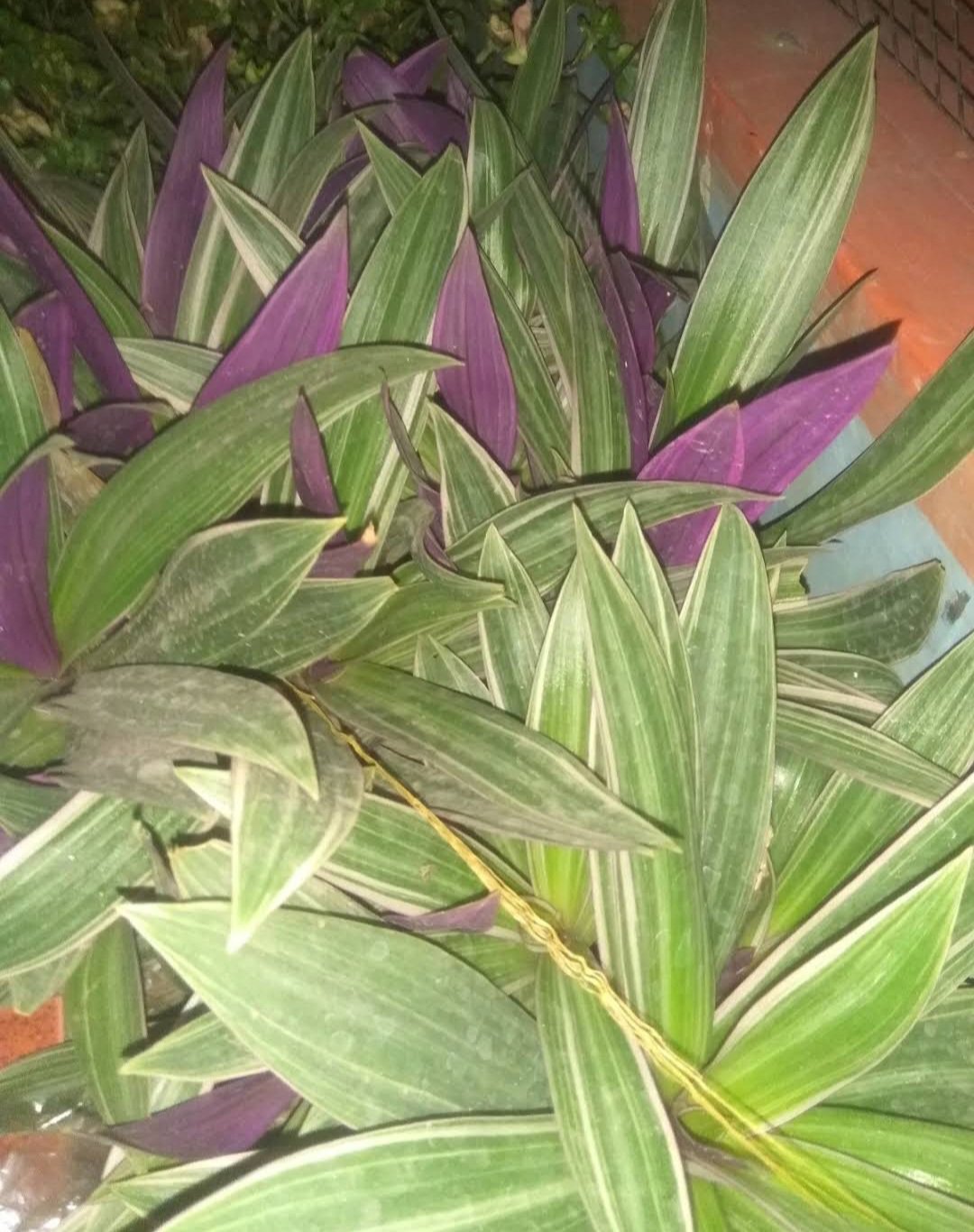


1Pcs Dwarf Oyster Plant Variegated Flower Live Houseplant Easy Care Live Plant
Tradescantia spathacea, commonly known as "Moses in the Cradle" or "Oyster Plant," is a popular houseplant appreciated for its striking foliage and ease of care. Here are some tips on how to care for Tradescantia spathacea:
Light: Tradescantia spathacea prefers bright, indirect light. It can tolerate lower light conditions but may not thrive as well. Avoid direct sunlight, as it can scorch the leaves.
Watering: Water your Tradescantia spathacea thoroughly when the top inch of the soil feels dry. It's important not to let the plant sit in water, as this can lead to root rot. Ensure good drainage in the pot and empty any excess water from the saucer.
Humidity: This plant appreciates moderate to high humidity levels. If your home is particularly dry, you can increase humidity by misting the plant regularly or placing a tray of water with pebbles beneath the pot.
Temperature: Tradescantia spathacea prefers temperatures between 60°F and 80°F (15°C to 27°C). Avoid exposing it to temperatures below 50°F (10°C), as it is sensitive to cold.
Soil: Use a well-draining potting mix for your Tradescantia spathacea. A mixture of peat moss, perlite, and sand works well to provide good aeration and drainage.
Fertilization: Feed your Tradescantia spathacea with a balanced liquid fertilizer diluted to half-strength during the growing season (spring and summer) about once a month. Reduce fertilization in fall and winter when the plant's growth slows down.
Pruning: Regularly remove any dead or yellowing leaves to keep the plant looking neat and to prevent the spread of disease.
Propagation: Tradescantia spathacea can be easily propagated by division or stem cuttings. Simply cut a healthy stem and place it in water or directly in soil, and it will root readily.
Repotting: Repot your Tradescantia spathacea every 1-2 years, or when it becomes root-bound. Choose a pot that is one size larger than its current container, and refresh the soil to provide fresh nutrients.
Pests and Diseases: Keep an eye out for common houseplant pests like spider mites, aphids, and mealybugs. Wipe the leaves with a damp cloth regularly to prevent dust buildup and discourage pests. If you notice any signs of pests or diseases, treat the plant promptly with an appropriate pesticide or fungicide.
By following these care tips, you can enjoy a healthy and vibrant Tradescantia spathacea in your home.
In the photo is not factual item...
The size live plant item depends on stock...
Thank you
Tradescantia spathacea, commonly known as "Moses in the Cradle" or "Oyster Plant," is a popular houseplant appreciated for its striking foliage and ease of care. Here are some tips on how to care for Tradescantia spathacea:
Light: Tradescantia spathacea prefers bright, indirect light. It can tolerate lower light conditions but may not thrive as well. Avoid direct sunlight, as it can scorch the leaves.
Watering: Water your Tradescantia spathacea thoroughly when the top inch of the soil feels dry. It's important not to let the plant sit in water, as this can lead to root rot. Ensure good drainage in the pot and empty any excess water from the saucer.
Humidity: This plant appreciates moderate to high humidity levels. If your home is particularly dry, you can increase humidity by misting the plant regularly or placing a tray of water with pebbles beneath the pot.
Temperature: Tradescantia spathacea prefers temperatures between 60°F and 80°F (15°C to 27°C). Avoid exposing it to temperatures below 50°F (10°C), as it is sensitive to cold.
Soil: Use a well-draining potting mix for your Tradescantia spathacea. A mixture of peat moss, perlite, and sand works well to provide good aeration and drainage.
Fertilization: Feed your Tradescantia spathacea with a balanced liquid fertilizer diluted to half-strength during the growing season (spring and summer) about once a month. Reduce fertilization in fall and winter when the plant's growth slows down.
Pruning: Regularly remove any dead or yellowing leaves to keep the plant looking neat and to prevent the spread of disease.
Propagation: Tradescantia spathacea can be easily propagated by division or stem cuttings. Simply cut a healthy stem and place it in water or directly in soil, and it will root readily.
Repotting: Repot your Tradescantia spathacea every 1-2 years, or when it becomes root-bound. Choose a pot that is one size larger than its current container, and refresh the soil to provide fresh nutrients.
Pests and Diseases: Keep an eye out for common houseplant pests like spider mites, aphids, and mealybugs. Wipe the leaves with a damp cloth regularly to prevent dust buildup and discourage pests. If you notice any signs of pests or diseases, treat the plant promptly with an appropriate pesticide or fungicide.
By following these care tips, you can enjoy a healthy and vibrant Tradescantia spathacea in your home.
In the photo is not factual item...
The size live plant item depends on stock...
Thank you


 ID, jawa timur